
Skip to content
Water Damage Lansing

Lansing, MI · 24/7 emergency response

Structural Drying & Dehumidification in Lansing, MI

Structural drying in Lansing, MI: air movers and dehumidifiers sized to the space, daily moisture readings, and equipment pulled only when the materials test dry. Clean-water jobs typically dry in 3–5 days.

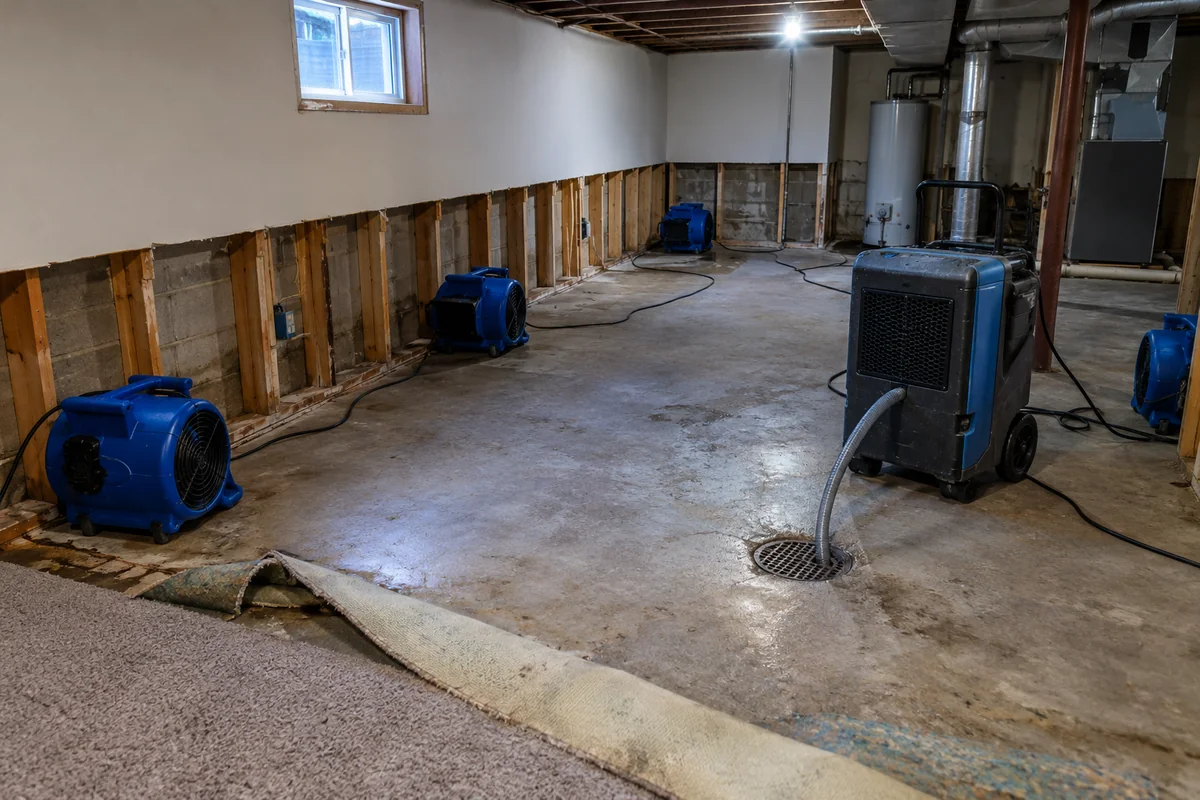
Structural Drying & Dehumidification underway on a property in Lansing, MI

Dried to the IICRC S500 standard

Moisture readings logged until dry

Written scope before work starts

24/7 emergency response

Photo & moisture logs for your insurer

Last updated: 2026-09-26

Water Damage Lansing is a water damage restoration company that provides structural drying and dehumidification in Lansing, MI and the Greater Lansing area. Structural drying is the part of a water damage job that decides whether mold shows up three weeks later: the floor can look dry in a day while the drywall, bottom plates, and subfloor are still wet. This page covers how drying works, how long it takes in Lansing homes, and how we know when it's actually done.

What we do on the first visit

Drying starts with a moisture map: readings across floors, walls, and framing, plus a reading from an unaffected area of the same material as the dry standard to aim for. That map decides how many air movers and dehumidifiers go where, and which materials — like wet insulation behind a vapor barrier — have to come out because they won't dry in place.

We also record the temperature and humidity of the room and outdoors. In a Lansing basement in spring, the concrete is cold and the air is damp; in winter, the furnace air is dry. The drying plan changes with both.

How drying equipment is sized

Air movers push air across wet surfaces to speed evaporation; low-grain refrigerant dehumidifiers pull that moisture out of the air before it re-soaks the materials. Equipment is sized to the room's volume and the amount of wet material, following the IICRC S500 standard. Too little equipment and the job drags on; the wrong placement and water stays trapped in wall cavities.

Where drywall is wet but sound, we may drill small holes behind the baseboard and push air into the wall cavity rather than tearing the wall out. Where water got behind paneling, plastic, or foil-faced insulation, those materials come off so the framing can dry.

Why Lansing basements dry slowly

Basements are the hardest rooms to dry. Concrete holds a lot of water and releases it slowly; the space is cool, which slows evaporation; and the clay loam around most Greater Lansing foundations stays saturated after rain or snowmelt, feeding moisture back in through the walls. Published Lansing timelines put clean-water jobs at 3–4 days and basements at 4–5 days, with sewage jobs at 5–7 days or longer.

Drying logs and your insurance claim

Insurers pay for drying equipment by the day, so they want proof it was needed. We log readings for every monitored point, every day, and hand you the record at the end. If an adjuster questions why equipment ran five days instead of three, the log answers it. Equipment is pulled when the readings reach the dry standard — not before, and not after.

What's included

  • Moisture map and dry standard set on the first visit
  • Air movers placed to the IICRC S500 standard
  • Low-grain refrigerant dehumidifiers sized to the space
  • Wall-cavity drying where drywall can be saved
  • Removal of materials that can't dry in place
  • Daily readings on every monitored point
  • Equipment adjusted as materials dry
  • Final dry readings recorded before equipment leaves
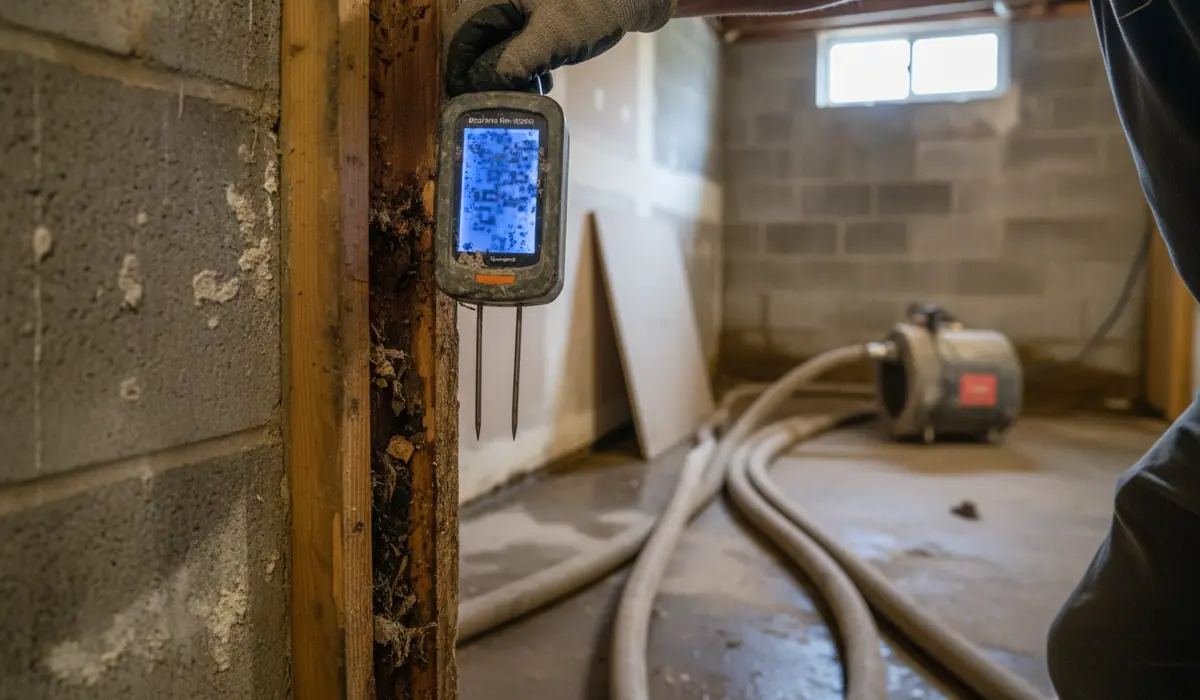
Structural Drying & Dehumidification in progress on a property in Lansing, MI

What this costs

structural drying & dehumidification doesn't fit a single published price range, because the scope depends on what an on-site assessment of your specific property and situation finds. We give you a written scope and price after that free assessment, before any work starts.

When it needs doing

  • Drywall that feels soft or reads wet after water was cleaned up
  • A musty smell days after a leak
  • Swollen baseboards, trim, or door casings
  • Cupping or buckling hardwood or laminate
  • A basement that stays damp after the water is gone

Related resources

These go deeper on the questions that come up most on this job:

Straight comparison

DIY shop-vac, the cheapest bid, or the job done properly

 DIY shop-vacCheapest bidDone properly
Water extractionShop-vac and fans — surface water only; moisture stays in the carpet pad, drywall, and bottom platesBasic extraction, no moisture mappingTruck-mount extraction plus moisture mapping to find water that wicked up drywall and under flooring
Drying equipmentA box fan or two, days longer than neededMinimum air movers, pulled earlyCommercial air movers and dehumidifiers, sized to the room and monitored to a dry standard
Water category handlingTreated the same regardless of sourceRarely distinguishedClean, gray, and black water handled to IICRC S500's different safety and disposal requirements
Mold riskNot checkedSkipped unless askedMoisture readings logged until the structure reads dry, since mold can begin in 24-48 hours
DocumentationNoneRarely providedTime-stamped photos and moisture logs, useful for an insurance claim
Sewer backupsBleach and a mop on Category 3 water — the contamination stays in porous materialsOften treated like clean waterPorous materials removed, surfaces cleaned and treated, and the backup documented for a 45-day city claim
If it's not actually dryMold shows up later, now a bigger jobChasing a phone number that stopped workingWe come back and re-check until the readings confirm it's dry

How it works

How structural drying & dehumidification runs

  1. Map the moisture

    Readings across floors, walls, and framing; a dry reference sets the target.

  2. Set equipment

    Air movers and dehumidifiers sized and placed for the room and materials.

  3. Monitor daily

    Readings logged every day; equipment moved as areas dry.

  4. Verify dry

    Equipment leaves only when materials match the dry standard. You get the log.

Get a free structural drying & dehumidification assessment

A real person answers, day or night. We assess the damage, explain the water category, and give you a written scope — at no charge and with no pressure.

Questions

Structural Drying & Dehumidification questions

How long does structural drying take?

Published Lansing timelines put clean-water jobs at 3–4 days and basements at 4–5 days. Sewage jobs run 5–7 days, and 8–12 with a full biohazard protocol, because materials are removed and cleaned first. Dense materials like hardwood and plaster can take longer.

Why can't I just open the windows and run fans?

Fans move air but don't remove moisture from it. In a humid Michigan spring or summer, outdoor air can carry more moisture than you're trying to remove. Dehumidifiers are what actually take water out of the building.

How do you know when it's dry?

We compare readings on wet materials to a reading from the same material in an unaffected area. When they match, the material is dry. Equipment comes out then, not on a fixed schedule.

What does drying equipment cost?

Published Lansing rates list drying equipment at $25–$85 per unit per day and monitoring visits at $125–$185 each. A typical basement uses several air movers and one or two dehumidifiers for four to five days.

Do you charge for an on-site assessment?

No. On-site assessments are free across Lansing and the Greater Lansing area — including East Lansing, Okemos, Holt, DeWitt, Grand Ledge, Delta Township, and Haslett. We assess the damage, explain the water category, and hand you a written scope with affected areas and any mold remediation broken out as their own lines.

Call (517) 816-1499 — 24/7 live answer