
Skip to content
Water Damage Lansing

Lansing, MI · 24/7 emergency response

Frozen & Burst Pipe Water Damage in Lansing, MI

Frozen and burst pipe water damage cleanup in Lansing, MI: water extracted, ceilings and walls opened where needed, and the house dried to a measured standard — 24/7, all winter.

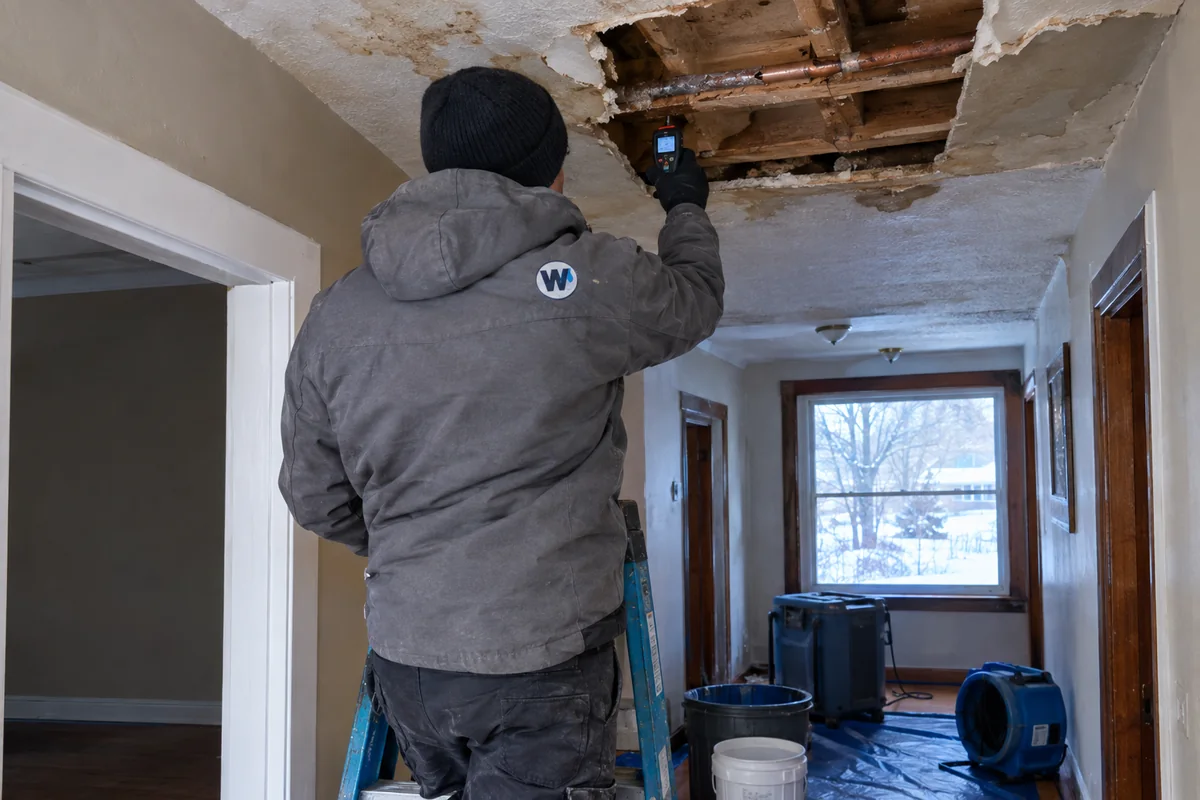
Frozen & Burst Pipe Water Damage underway on a property in Lansing, MI

Dried to the IICRC S500 standard

Moisture readings logged until dry

Written scope before work starts

24/7 emergency response

Photo & moisture logs for your insurer

Last updated: 2026-09-26

Water Damage Lansing is a water damage restoration company that cleans up frozen and burst pipe water damage in Lansing, MI and the Greater Lansing area. Lansing averages 23.4°F in January, with sub-zero snaps most winters, and every cold wave brings a run of split pipes. In January 2026, Mid-Michigan plumbers reported pipes bursting, water lines breaking, and furnace failures that froze and flooded entire houses. A split supply line can release hundreds of gallons an hour until the main valve is shut.

What we do on the first visit

First, shut off the main water valve — usually where the service line enters the basement — and the power to any wet area. We'll walk you through both on the phone. A plumber repairs the pipe; we handle the water damage, and we can coordinate with yours.

On site, we trace where the water went. A pipe that bursts in an exterior wall or ceiling sends water down through insulation, drywall, and subfloor to the lowest point, often the basement. Moisture readings map the path so nothing wet is left sealed up.

Why pipes freeze in Lansing homes

Pipes freeze where cold air reaches them: supply lines in exterior walls, pipes in crawl spaces and unheated garages, lines near rim joists in basements, and hose bibs left connected. Older Lansing homes with little wall insulation are more exposed, and manufactured homes are the most exposed of all — the January 2026 cold wave hit them hardest where skirting had gaps and air reached the plumbing underneath.

The pipe usually splits during the freeze but doesn't leak until it thaws. That's why burst pipes are often found in the afternoon of the first warm day, or when someone returns to a house that sat with the heat turned down.

Ceilings, walls, and floors after a burst pipe

Burst-pipe water is usually Category 1 (clean) when it starts, so more can be dried in place than with a backup — if drying starts quickly. Sagging ceiling drywall is taken down for safety. Wet insulation in walls and ceilings is removed because it holds water against the framing. Hardwood can often be dried with specialty floor mats; laminate and carpet pad usually can't.

Is a burst pipe covered by insurance?

Usually. A sudden pipe burst is the classic covered event under a standard Michigan homeowners policy. The main exception is a vacant or unheated home: many policies exclude freeze damage if you didn't maintain heat or shut off and drain the water. Document the damage before cleanup and keep the plumber's invoice showing the failed pipe. See what to photograph for a claim.

What's included

  • Phone guidance to shut off the main valve and power
  • Moisture mapping along the water's path through the house
  • Extraction of standing water on every affected floor
  • Safe removal of sagging ceiling drywall
  • Removal of wet insulation from walls and ceilings
  • Hardwood floor drying where the floor can be saved
  • Drying equipment with daily readings
  • Coordination with your plumber and documentation for your insurer
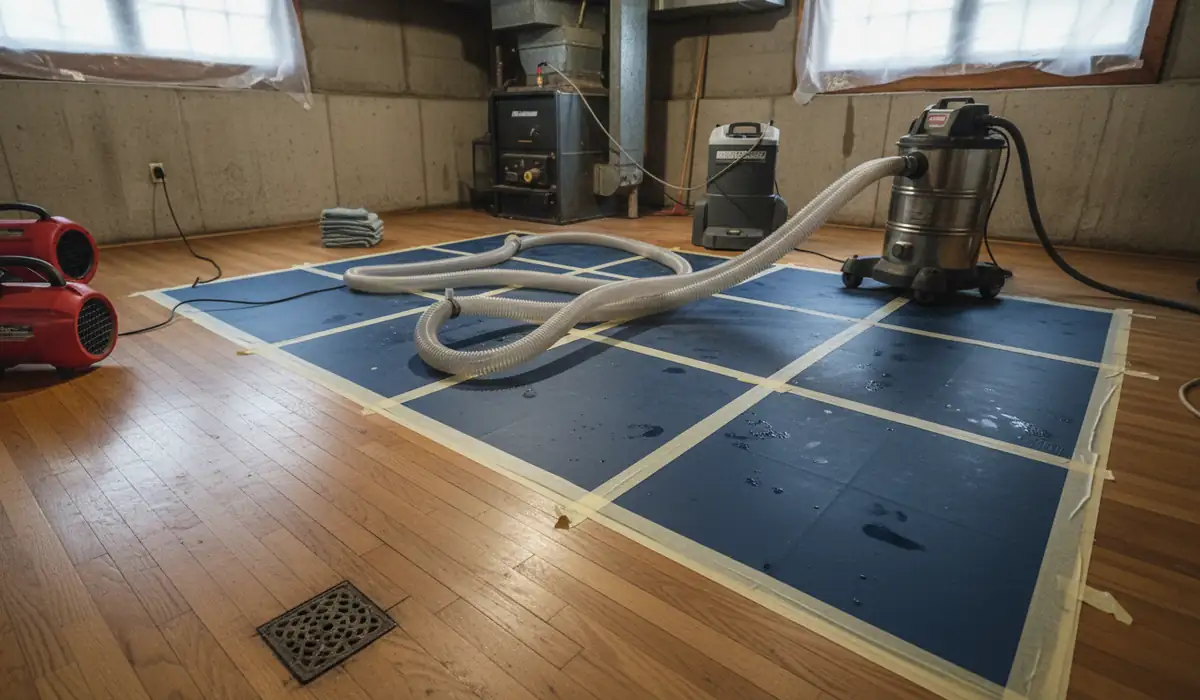
Frozen & Burst Pipe Water Damage in progress on a property in Lansing, MI

What this costs

frozen & burst pipe water damage doesn't fit a single published price range, because the scope depends on what an on-site assessment of your specific property and situation finds. We give you a written scope and price after that free assessment, before any work starts.

When it needs doing

  • Water dripping from a ceiling or running down a wall after a cold snap
  • No water at a faucet during extreme cold, then a leak when it warms up
  • A hissing sound in a wall or ceiling
  • Water spreading in a basement from a line near the rim joist
  • A house found flooded after sitting empty with the heat low

Related resources

These go deeper on the questions that come up most on this job:

Straight comparison

DIY shop-vac, the cheapest bid, or the job done properly

 DIY shop-vacCheapest bidDone properly
Water extractionShop-vac and fans — surface water only; moisture stays in the carpet pad, drywall, and bottom platesBasic extraction, no moisture mappingTruck-mount extraction plus moisture mapping to find water that wicked up drywall and under flooring
Drying equipmentA box fan or two, days longer than neededMinimum air movers, pulled earlyCommercial air movers and dehumidifiers, sized to the room and monitored to a dry standard
Water category handlingTreated the same regardless of sourceRarely distinguishedClean, gray, and black water handled to IICRC S500's different safety and disposal requirements
Mold riskNot checkedSkipped unless askedMoisture readings logged until the structure reads dry, since mold can begin in 24-48 hours
DocumentationNoneRarely providedTime-stamped photos and moisture logs, useful for an insurance claim
Sewer backupsBleach and a mop on Category 3 water — the contamination stays in porous materialsOften treated like clean waterPorous materials removed, surfaces cleaned and treated, and the backup documented for a 45-day city claim
If it's not actually dryMold shows up later, now a bigger jobChasing a phone number that stopped workingWe come back and re-check until the readings confirm it's dry

How it works

How frozen & burst pipe water damage runs

  1. Shut it off

    Main water valve closed and power off in wet areas. We talk you through it.

  2. Trace the water

    Moisture readings follow the water through ceilings, walls, and floors.

  3. Extract and open up

    Standing water removed; sagging drywall and wet insulation taken out.

  4. Dry and verify

    Equipment runs until every affected material reads dry.

Get a free frozen & burst pipe water damage assessment

A real person answers, day or night. We assess the damage, explain the water category, and give you a written scope — at no charge and with no pressure.

Questions

Frozen & Burst Pipe Water Damage questions

What should I do first when a pipe bursts?

Shut off the main water valve, turn off power to wet areas if you can do it safely, and move valuables out of the water. Take photos. Then call a plumber for the pipe and a restoration company for the water.

How much does burst pipe water damage cost in Lansing?

Homeyou's Lansing data puts ruptured-pipe damage at $5,000–$70,000 — the range is how many rooms and floors the water reached. Clean-water restoration is priced at $3.85–$5.10 per square foot in published Lansing rates.

How do I keep pipes from freezing?

Keep the heat at 55°F or higher, open sink cabinets on exterior walls during cold snaps, disconnect hoses, and insulate pipes in crawl spaces and garages. If you'll be away, shut off and drain the water.

Can a ceiling be saved after a burst pipe?

Sometimes. Drywall that is wet but firm can often be dried in place. Drywall that sags, or has wet insulation above it, is taken down — it can fall, and the cavity above won't dry with it in place.

Do you charge for an on-site assessment?

No. On-site assessments are free across Lansing and the Greater Lansing area — including East Lansing, Okemos, Holt, DeWitt, Grand Ledge, Delta Township, and Haslett. We assess the damage, explain the water category, and hand you a written scope with affected areas and any mold remediation broken out as their own lines.

Call (517) 816-1499 — 24/7 live answer