
Skip to content
Water Damage Lansing

Lansing, MI · 24/7 emergency response

Storm & Flood Damage Restoration in Lansing, MI

Storm and flood damage restoration in Lansing, MI: floodwater cleanup after river flooding, flash floods, and storm intrusion — treated as Category 3 water, with documentation for flood and homeowners claims.

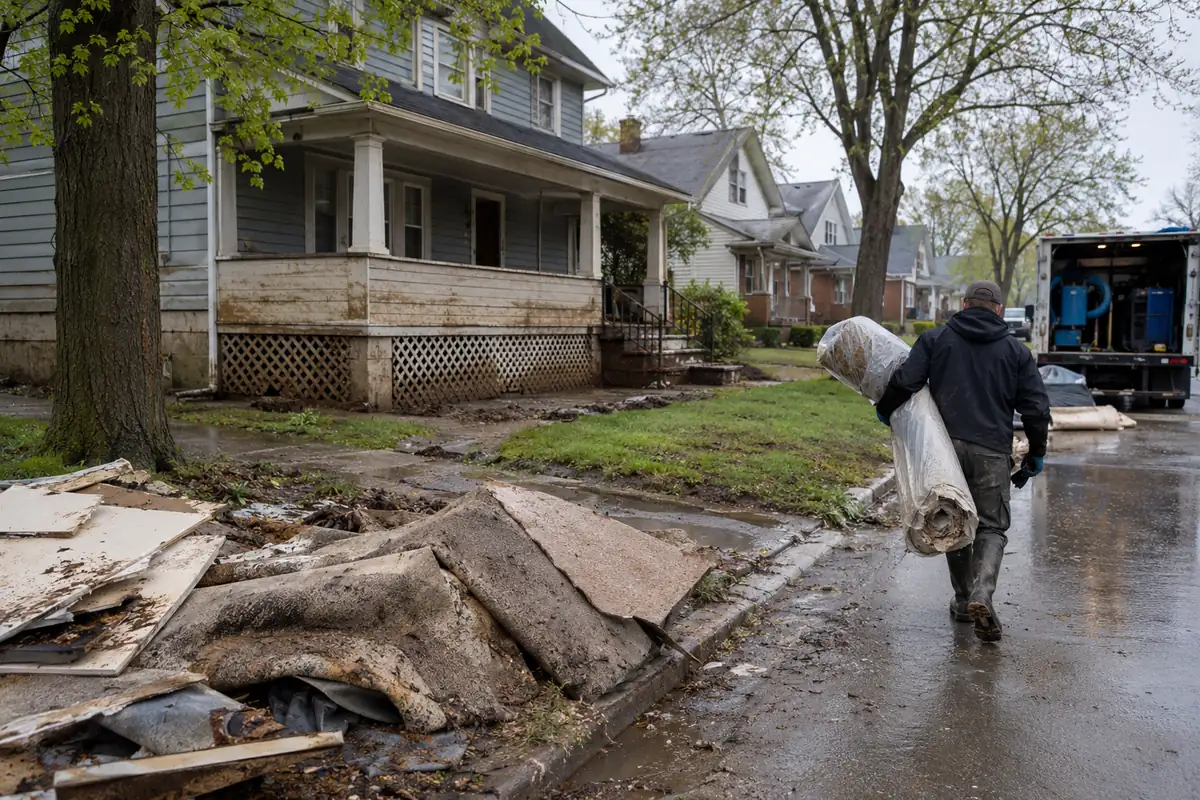
Storm & Flood Damage Restoration underway on a property in Lansing, MI

Dried to the IICRC S500 standard

Moisture readings logged until dry

Written scope before work starts

24/7 emergency response

Photo & moisture logs for your insurer

Last updated: 2026-09-26

Water Damage Lansing is a water damage restoration company that provides storm and flood damage restoration in Lansing, MI and the Greater Lansing area. Lansing sits where the Red Cedar River joins the Grand, with Sycamore Creek and the Looking Glass River nearby, and 2026 has already shown the risk: in April, the Grand River was forecast to crest at 11.2 feet, the Red Cedar ran more than nine times its normal flow, and the governor declared a state of emergency during a second round of storms.

What we do on the first visit

Floodwater is Category 3 water under the IICRC S500 standard — it has run across streets, yards, and septic and sewer systems before it reached your house. We treat it that way from the first step: protective gear, no drying-in-place of contaminated porous materials, and disinfection of everything that stays.

We document the high-water line and every damaged room before removal starts, because flood insurance adjusters measure the depth and duration of the water.

How storms flood Lansing-area homes

There are three different ways storm water gets in, and they have different insurance answers. River and surface flooding — water rising from the Grand, Red Cedar, or a creek, or running across the ground into a window well — is flood damage. Sewer backups during the same storm come up through floor drains. And storm intrusion — wind-driven rain through a damaged roof or window — is its own category.

Flash floods matter as much as river floods here. On July 9, 2024, East Lansing took more than 5 inches of rain in about two hours; streets and parking lots flooded and cars were submerged at an apartment complex on Abbot Road.

After the water goes down

Floodwater leaves silt and contamination in everything it touched. Drywall comes out above the flood line, insulation comes out, and floors and framing are cleaned and disinfected before drying. Appliances, furnaces, and water heaters that were submerged need to be checked by a qualified technician before they're used again.

Flood insurance vs. homeowners insurance

Standard homeowners policies exclude flood — surface water and rising water. That damage is covered only by NFIP or private flood insurance, which usually has a 30-day waiting period after purchase. FEMA released preliminary updated flood maps for Ingham County in September 2026, so it's worth checking whether your property's zone is changing. Wind damage and wind-driven rain are typically covered under a homeowners policy. See flood insurance in Lansing and the new FEMA map.

What's included

  • High-water line and damage documented before removal
  • Category 3 handling with protective gear
  • Pumping and extraction of floodwater and silt
  • Removal of drywall and insulation above the flood line
  • Cleaning and disinfection of framing and concrete
  • Contents sorted and photographed with you
  • Structural drying with daily readings
  • Records formatted for flood and homeowners claims
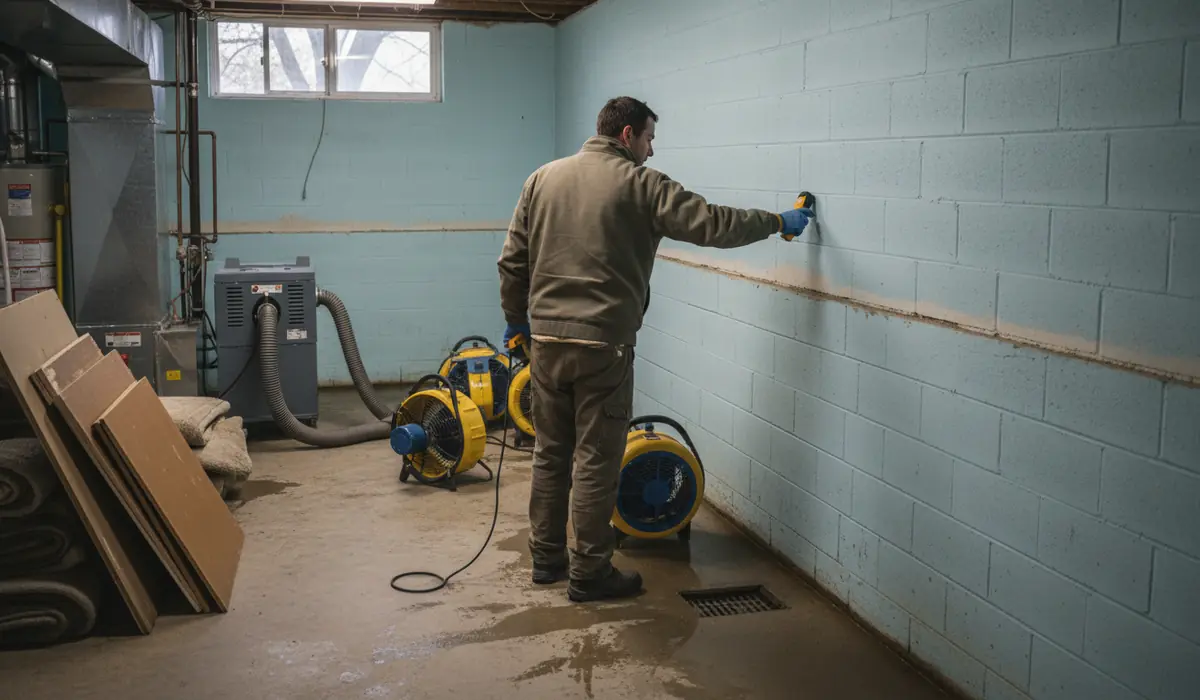
Storm & Flood Damage Restoration in progress on a property in Lansing, MI

What this costs

storm & flood damage restoration doesn't fit a single published price range, because the scope depends on what an on-site assessment of your specific property and situation finds. We give you a written scope and price after that free assessment, before any work starts.

When it needs doing

  • Water entering through window wells or doors during heavy rain
  • River or creek water reaching the yard, garage, or basement
  • Silt and debris left behind after water recedes
  • Wind-driven rain through a damaged roof or window
  • Flooding in several rooms at once after a storm

Related resources

These go deeper on the questions that come up most on this job:

Straight comparison

DIY shop-vac, the cheapest bid, or the job done properly

 DIY shop-vacCheapest bidDone properly
Water extractionShop-vac and fans — surface water only; moisture stays in the carpet pad, drywall, and bottom platesBasic extraction, no moisture mappingTruck-mount extraction plus moisture mapping to find water that wicked up drywall and under flooring
Drying equipmentA box fan or two, days longer than neededMinimum air movers, pulled earlyCommercial air movers and dehumidifiers, sized to the room and monitored to a dry standard
Water category handlingTreated the same regardless of sourceRarely distinguishedClean, gray, and black water handled to IICRC S500's different safety and disposal requirements
Mold riskNot checkedSkipped unless askedMoisture readings logged until the structure reads dry, since mold can begin in 24-48 hours
DocumentationNoneRarely providedTime-stamped photos and moisture logs, useful for an insurance claim
Sewer backupsBleach and a mop on Category 3 water — the contamination stays in porous materialsOften treated like clean waterPorous materials removed, surfaces cleaned and treated, and the backup documented for a 45-day city claim
If it's not actually dryMold shows up later, now a bigger jobChasing a phone number that stopped workingWe come back and re-check until the readings confirm it's dry

How it works

How storm & flood damage restoration runs

  1. Safety first

    Power off to flooded areas; no entry into deep water with live electrical.

  2. Document the flood line

    Water depth, duration, and every damaged room recorded.

  3. Remove and disinfect

    Floodwater and silt out; contaminated materials removed; surfaces disinfected.

  4. Dry and verify

    Drying equipment runs until readings confirm the structure is dry.

Get a free storm & flood damage restoration assessment

A real person answers, day or night. We assess the damage, explain the water category, and give you a written scope — at no charge and with no pressure.

Questions

Storm & Flood Damage Restoration questions

Does homeowners insurance cover flood damage in Michigan?

No. Standard homeowners policies exclude surface and rising water. You need NFIP or private flood insurance, which typically has a 30-day waiting period. Sewer backups and wind-driven rain are handled under different parts of a homeowners policy.

Is floodwater dangerous?

Treat it as contaminated. Floodwater is Category 3 under IICRC S500 because it can carry sewage, chemicals, and debris. Wear boots and gloves, keep children out, and discard food it touched.

Can flooded drywall be saved?

Not after floodwater. Drywall and insulation touched by Category 3 water are removed, typically 12–24 inches above the high-water line, so the wall can be cleaned and dried.

Is my Lansing home in a flood zone?

Check FEMA's map viewer. Ingham County's preliminary updated flood maps were released in September 2026 with a 90-day appeal period, so zones near the Grand, Red Cedar, and Sycamore Creek may be changing.

Do you charge for an on-site assessment?

No. On-site assessments are free across Lansing and the Greater Lansing area — including East Lansing, Okemos, Holt, DeWitt, Grand Ledge, Delta Township, and Haslett. We assess the damage, explain the water category, and hand you a written scope with affected areas and any mold remediation broken out as their own lines.

Call (517) 816-1499 — 24/7 live answer