Skip to content
Water Damage Lansing

Lansing, MI · 24/7 emergency response

Ceiling & Drywall Water Damage Repair in Lansing, MI

Ceiling and drywall water damage repair in Lansing, MI: find and dry the source, remove what can't be saved, and restore stained or sagging ceilings and walls — including after ice dams and upstairs leaks.

Typical range: $100–$300 for minor ceiling damage from a small leak

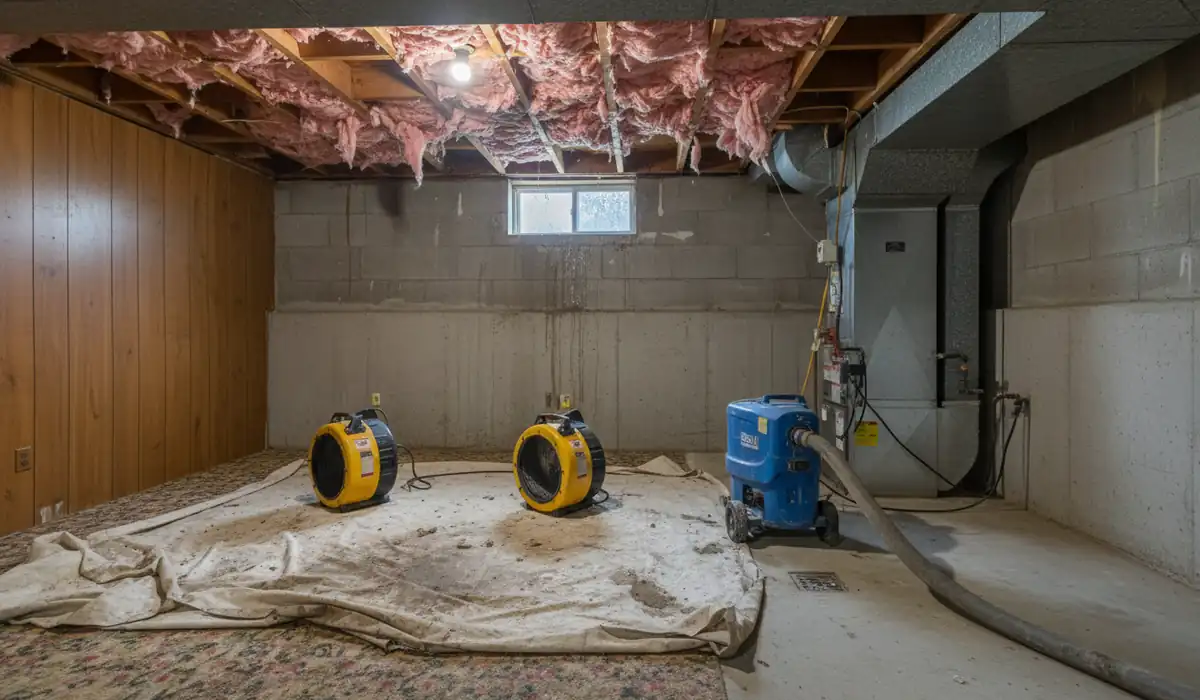
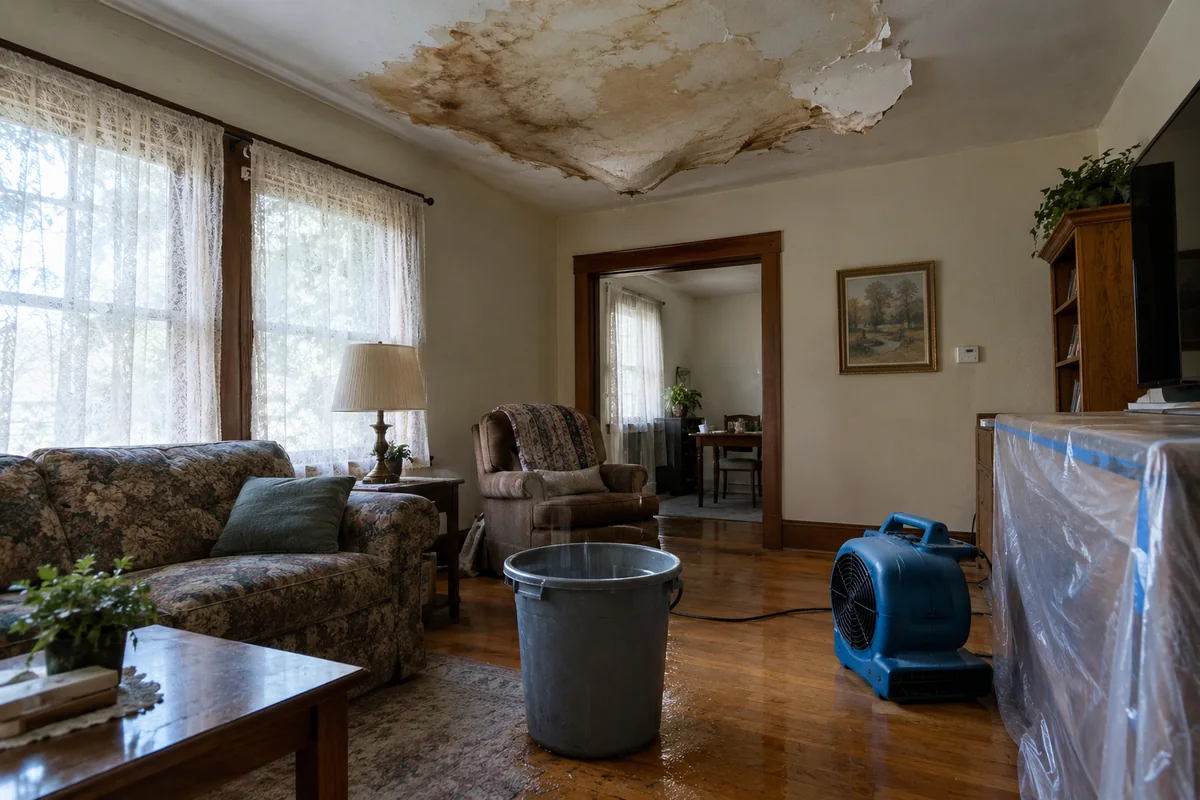
Ceiling & Drywall Water Damage Repair underway on a property in Lansing, MI

Dried to the IICRC S500 standard

Moisture readings logged until dry

Written scope before work starts

24/7 emergency response

Photo & moisture logs for your insurer

Last updated: 2026-09-26

Water Damage Lansing is a water damage restoration company that repairs ceiling and drywall water damage in Lansing, MI and the Greater Lansing area. A water stain on the ceiling is almost always a symptom of something above it — an upstairs bathroom, a pipe in the ceiling, a roof leak, or an ice dam at the eaves. The repair has to start with the source and the cavity above the stain, not with a coat of paint.

What we do on the first visit

We find where the water is coming from and whether it's still active, then take moisture readings across the ceiling and walls to see how far it spread. A small stain can sit under a large wet area of insulation.

Then we tell you what can be dried in place and what has to come out. Drywall that is firm and only slightly wet can often be dried; drywall that sags, crumbles, or has wet insulation above it is removed.

Where ceiling water comes from in Lansing homes

The most common sources are an upstairs bathroom (a wax ring, supply line, or shower pan), a pipe in the ceiling that froze, and ice dams — ridges of ice at the eaves that back meltwater under the shingles. Ice dam leaks often show up days after a snowstorm, along exterior walls, at the top of the wall or the edge of the ceiling. Plaster ceilings in older Lansing homes can hide water longer than drywall and fail more suddenly.

Dry, remove, or replace

A stain isn't proof the drywall is ruined. Moisture readings decide. Wet but sound drywall can be dried with air movers and, for ceilings, by opening a small section to get air into the cavity. Drywall that has sagged, softened, or grown mold is removed and replaced. Stains that remain after drying are sealed with a stain-blocking primer before painting, or they bleed through.

Insurance for ceiling leaks

Sudden plumbing leaks and ice dam damage are usually covered by a standard Michigan homeowners policy; the roof repair itself may be treated separately from the interior damage. Long-term slow leaks are often excluded as gradual damage. Photos of the stain, the source, and the moisture readings help an adjuster tell the difference.

What's included

  • Source located and confirmed stopped
  • Moisture mapping across ceilings and walls
  • Safe removal of sagging or failed drywall and plaster
  • Wet insulation removed from the ceiling cavity
  • Cavity and framing dried with readings logged
  • Mold check on the back side of removed material
  • Stain-blocking primer on dried stains
  • Documentation for your insurer
Ceiling & Drywall Water Damage Repair in progress on a property in Lansing, MI

What this costs in Lansing

Ceiling & Drywall Water Damage Repair runs $100–$300 for minor ceiling damage from a small leak in this area. That is Homeyou's Lansing figure for a small ceiling stain; larger jobs with drywall removal are priced like other clean-water work at $3.85–$5.10 per square foot. The things that move a job up its range are the water category, how much square footage is affected, and how long the water sat before extraction started. If you want a number before you call, the water damage cost calculator will get you close.

When it needs doing

  • A yellow or brown stain spreading on the ceiling
  • Sagging, bubbling, or soft drywall
  • Water dripping from a light fixture or ceiling seam
  • Stains along the top of exterior walls after snow
  • Peeling paint or cracked plaster in one area

Related resources

These go deeper on the questions that come up most on this job:

Straight comparison

DIY shop-vac, the cheapest bid, or the job done properly

 DIY shop-vacCheapest bidDone properly
Water extractionShop-vac and fans — surface water only; moisture stays in the carpet pad, drywall, and bottom platesBasic extraction, no moisture mappingTruck-mount extraction plus moisture mapping to find water that wicked up drywall and under flooring
Drying equipmentA box fan or two, days longer than neededMinimum air movers, pulled earlyCommercial air movers and dehumidifiers, sized to the room and monitored to a dry standard
Water category handlingTreated the same regardless of sourceRarely distinguishedClean, gray, and black water handled to IICRC S500's different safety and disposal requirements
Mold riskNot checkedSkipped unless askedMoisture readings logged until the structure reads dry, since mold can begin in 24-48 hours
DocumentationNoneRarely providedTime-stamped photos and moisture logs, useful for an insurance claim
Sewer backupsBleach and a mop on Category 3 water — the contamination stays in porous materialsOften treated like clean waterPorous materials removed, surfaces cleaned and treated, and the backup documented for a 45-day city claim
If it's not actually dryMold shows up later, now a bigger jobChasing a phone number that stopped workingWe come back and re-check until the readings confirm it's dry

How it works

How ceiling & drywall water damage repair runs

  1. Find the source

    Plumbing, roof, or ice dam — and whether it's still leaking.

  2. Map the moisture

    Readings show how far the water spread past the stain.

  3. Open and dry

    Failed drywall removed, wet insulation out, cavity dried.

  4. Seal and restore

    Stains sealed; removed sections replaced and finished.

Get a free ceiling & drywall water damage repair assessment

A real person answers, day or night. We assess the damage, explain the water category, and give you a written scope — at no charge and with no pressure.

Questions

Ceiling & Drywall Water Damage Repair questions

Is a sagging ceiling dangerous?

Yes. Wet drywall is heavy and can drop without warning. Keep people out from under it, put a bucket under any drip, and don't poke it. We take it down in a controlled way.

Can I just paint over a water stain?

Only after the source is fixed and the drywall reads dry, and only with a stain-blocking primer first. Painting over a wet stain traps moisture, and regular paint lets the stain bleed back through.

What does ceiling water damage repair cost in Lansing?

Homeyou's Lansing data puts minor ceiling damage from a small leak at $100–$300. Larger jobs with removed drywall and wet insulation are priced like other clean-water work, at $3.85–$5.10 per square foot in published Lansing rates, plus rebuild.

Why is my ceiling leaking when it isn't raining?

Usually plumbing above, condensation from an HVAC line, or an ice dam melting on a sunny winter day. Ice dam leaks often appear days after snowfall.

Do you charge for an on-site assessment?

No. On-site assessments are free across Lansing and the Greater Lansing area — including East Lansing, Okemos, Holt, DeWitt, Grand Ledge, Delta Township, and Haslett. We assess the damage, explain the water category, and hand you a written scope with affected areas and any mold remediation broken out as their own lines.

Call (517) 816-1499 — 24/7 live answer